
Switch On Your Body After a Day at the Desk

After hours at a keyboard, your body deserves a careful ramp before competition. Tonight we explore warm-up routines for desk workers before evening matches, blending posture resets, dynamic activation, and sport-specific moves so you arrive sharp, safe, and energized rather than tight, sluggish, and vulnerable.

From Screen to Sidelines: The Transition That Protects Performance

The most decisive minutes happen between closing your laptop and stepping onto the court or field. Use this bridge to downshift your nervous system, restore joint motion, and set intentions. Small rituals here prevent rushed starts, improve focus, and reduce the stiffness that steals speed.

Five-Minute Mobility Check

Scan your neck, shoulders, hips, and ankles with gentle ranges: chin tucks, thoracic rotations, hip circles, and ankle rocks. Take slow breaths and note asymmetries from mousing or crossing legs. This mindful audit guides what to prioritize, preventing guesswork and wasted movements before competition.

Breathing Reset to Shift Gears

Two to three minutes of nasal box breathing lowers desk-driven tension and steadies attention. Sit tall, exhale fully, and feel ribs expand sideways. Reduced neck accessory breathing helps shoulder freedom later. Many players report instant calm, better timing, and fewer rushed errors after this reset.

Smart Hydration and Quick Fuel Strategy

If you sat dehydrated all afternoon, performance fades quickly. Drink a glass of water with a pinch of salt, plus a light carb source like a banana or yogurt. Avoid heavy meals now; choose something digestible that steadies energy without sluggishness during early play.

Undo the Chair: Posture Repair That Frees Movement
Sitting shapes your next movements. Shortened hip flexors, rounded upper backs, and sleepy glutes restrict stride length and shoulder turn. A few targeted drills reverse these patterns, restoring joint centration and power paths so force travels cleanly, without compensations that irritate knees, hips, or elbows.

Activation That Sticks: Prime the Right Muscles

Warming up is not only about flexibility; it is about turning on the engines that stabilize movement under speed. Prioritize hips, core, and shoulder blades. When these units fire cooperatively, precision improves, effort feels lighter, and late-game decisions remain crisp despite fatigue.

Glutes Awake, Lower Back Safe

Perform bridge holds, single-leg bridges, and monster walks with a mini-band around the knees. Keep ribs down and pelvis level to avoid borrowing from the spine. Athletes consistently report stronger push-offs and fewer cranky backs when they commit to progressive glute activation before play.

Core Bracing Without Tension

Use dead bug patterns and side planks with controlled breathing. The goal is not rigidity but timely stiffness that transfers force between hips and shoulders. When bracing responds to movement rather than fights it, agility improves and unnecessary gripping fades during high-pressure moments.

Fifteen-Minute Dynamic Flow You Can Actually Finish

A repeatable sequence beats a perfect but forgotten plan. This concise flow raises temperature, restores ranges, and builds toward speed without exhaustion. It fits beside a busy commute, parking lot, or hallway, helping you arrive prepared, not apologizing for being late or stiff.

For Racquet and Paddle Players

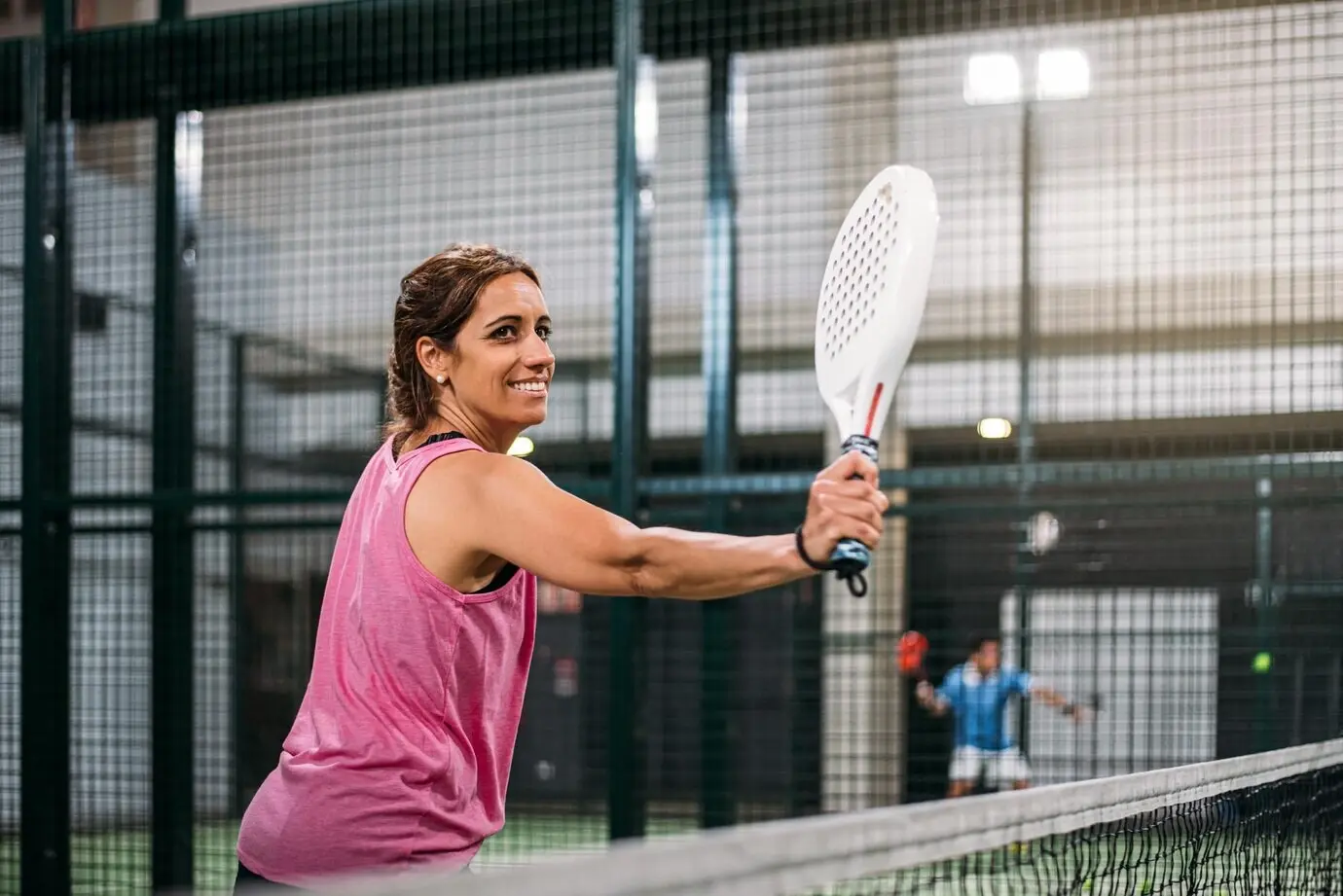
Prioritize rhythmical shadow swings, cross-body band pulls, and split-step repeats. Add pronation-supination drills for the forearm to protect elbows after typing. Groove contact points and recoveries. Players often report cleaner serves and returns when these primers follow posture repair and activation work.

For Small-Sided Football and Futsal

Layer in rapid toe taps, ankle stiffness hops, and deceleration steps. Practice open-hip turns and shoulder checks while dribbling, integrating scanning with movement. A few precise accelerations in tight spaces prepare reactions for crowded lanes, reducing awkward contacts and rushed, off-balance first touches.

When Time Is Tight: Safety, Recovery, and Consistency

Even perfect plans meet traffic, late meetings, or limited space. Have a condensed routine and know pain rules. Protect longevity by cooling down and reviewing what worked. Consistency across busy weeks matters more than occasional hero sessions that leave joints irritated and motivation shaken.

Emergency Five-Minute Protocol

Set a timer and cycle through breath reset, hip flexor stretch, thoracic opens, band walks, and two accelerations. Keep quality high and ranges comfortable. This minimalist sequence salvages readiness on chaotic days, preventing cold starts that often cause pulls, strains, and clumsy first possessions.

Red Flags, Pain, and Helpful Modifications

Sharp pain, numbness, or joint locking demands caution and possibly professional guidance. Swap ballistic moves for controlled isometrics, shrink ranges, and emphasize breath. Your pride may want to push, but long seasons reward patience. Share questions in the comments and learn from others’ adjustments.

Post-Match Cooldown That Sets Up Tomorrow

Walk slowly while breathing through the nose, then stretch calves, quads, and hip flexors briefly. Add gentle spinal twists and forearm releases. A few minutes prevents next-day desk stiffness from stacking with match soreness. Log notes, hydrate, and schedule the next tune-up to maintain momentum.
Xelantrivopulmio
Privacy Overview

This website uses cookies so that we can provide you with the best user experience possible. Cookie information is stored in your browser and performs functions such as recognising you when you return to our website and helping our team to understand which sections of the website you find most interesting and useful.