
Rally After Hours: Build a Friendly Tennis League That Lasts
Tonight we’re diving into organizing after-work recreational tennis leagues and ladders, turning weekday evenings into easygoing competition and genuine connection. Expect practical scheduling tips, welcoming formats, and athlete-friendly tools, plus real stories and mistakes to avoid, so your courts hum with energy long after office lights dim. Stick around, share your experiences, and sign up for updates if you want plug-and-play resources, printable checklists, and ready-to-launch schedules built for real people with real calendars.


Scheduling Courts Without Stress
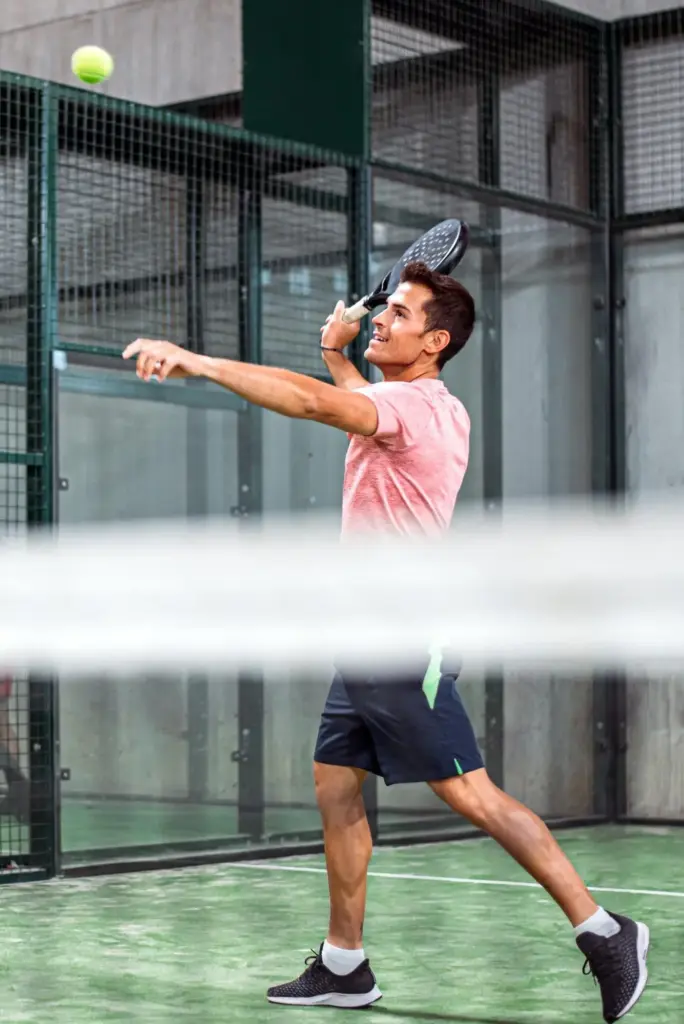
Booking courts after work can feel like a puzzle with pieces that change shape every week. Solve it by building friendly relationships with facility staff, planning buffers between sessions, and creating a clear rain or darkness policy. Publish a master calendar early, then protect organizer sanity with automated reminders and rotating start times. One group secured two steady courts by offering to sweep leaves and report cracked lines, proving that goodwill can be as valuable as budget.
Rules That Keep Matches Fun and Fair
For after-work evenings, consider one eight-game pro set or two short sets to four with a tiebreak to seven. Keep warmups to ten minutes. New players appreciate formats that end on time without feeling rushed. If daylight fades, use no-ad points after thirty minutes. Publish examples so nobody wonders mid-match. Consistency across courts reduces confusion, keeps chatter friendly, and lets you rotate in subs smoothly without negotiating rules every single time under stadium lights.
Life happens. Define a clear sub policy with deadlines, skill guidelines, and how results count. Use straightforward tiebreaks that match your set format, and decide playoff eligibility early. Post bracket timelines and rain contingencies so momentum doesn’t stall. If attendance drops late-season, pivot to a fun finale night: king-of-the-court doubles, quick challenges, and a relaxed awards circle. Players remember how the season ends, so make that last handshake joyful, predictable, and unhurried.
Codify kindness: call your lines generously, announce scores often, and replay points when uncertain. Appoint a calm volunteer ombud who can step onto heated courts and reset tension with a smile. Encourage players to thank opponents by name and compliment good shots loudly. If disputes linger, log them privately, then refine rules rather than blaming people. A culture that forgives mistakes and celebrates effort turns competitive moments into stories you enjoy retelling over snacks afterward.

Standings and Ladders Made Easy
Choose software that supports flexible scoring, quick match entry, and automatic tie-break logic. If budgets are tight, a color-coded spreadsheet with data validation can prevent typos and track challenges without chaos. Display live standings so players feel progress each week. Limit admin rights to two or three people for safety, then create a simple backup routine. When your ladder grows, export snapshots monthly so nothing is lost and season histories become delightful archives.
Messaging That Actually Reaches People
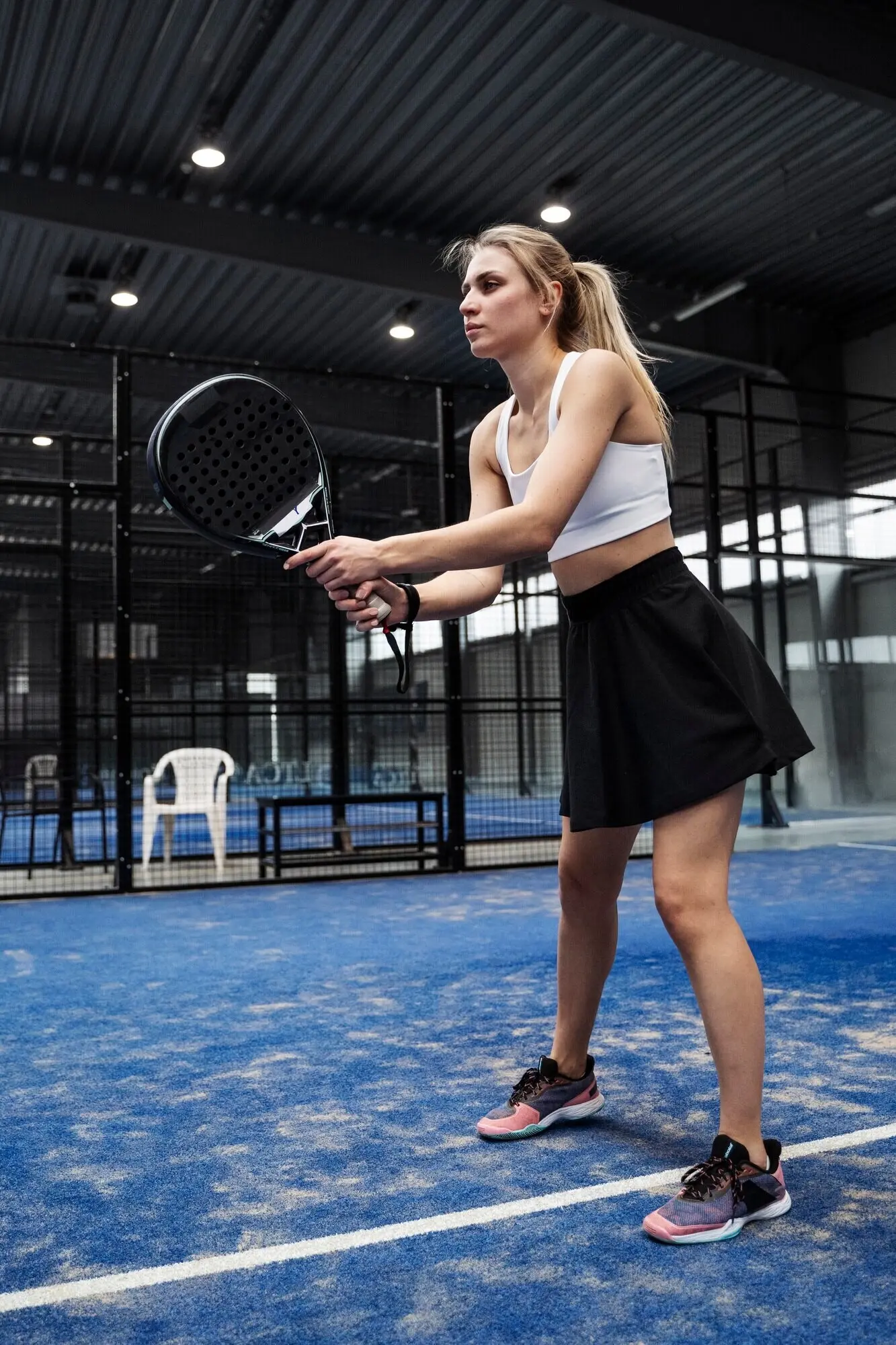
Pick one primary channel and stick to it—email, Slack, WhatsApp, or a league app—then mirror essentials on a pinned web page. Pre-schedule weekly reminders with the weather forecast, court assignments, and a friendly quote. Create role-based tags for captains, subs, and newbies so alerts are targeted. Celebrate great sportsmanship publicly, handle problems privately. Clear communication reduces panic, quiets rumor mills, and turns occasional spectators into reliable regulars who bring friends from their office floors.

Payments, Waivers, and Privacy
Keep money simple: a flat seasonal fee or a transparent per-night contribution, documented in one place. Use digital forms for liability waivers and a short code-of-conduct acknowledgment. Respect privacy by requesting only necessary data and hiding phone numbers by default. Store rosters in a shared folder with limited access and clear ownership. If you photograph events, ask for consent once each season. Responsible administration builds trust, and trust keeps sign-ups flowing even during busy quarters.
Community, Stories, and Retention
Sustainable leagues are built on belonging. Small gestures—learning names, celebrating first wins, and inviting shy players into warmups—create durable bonds. A post-match meetup tradition can turn colleagues into doubles partners for years. Share mini-spotlights on newcomers, recognize helpful captains, and collect fun stats like longest rally or most improved serve. Invite readers to comment with favorite formats, volunteer as court hosts, or subscribe for printable welcome kits and icebreaker drills that make every arrival feel expected.
Warm Welcomes and Thoughtful Pairings
Greet arrivals within one minute if possible, pronounce names carefully, and offer a quick overview of tonight’s flow. Pair newcomers with patient, talkative partners for their first two sessions. Keep a small basket of grips and overgrips for emergencies. Share a gentle warmup script so nobody feels judged. After matches, ask how it felt and invite feedback. The goal is simple: people should leave smiling, already thinking about who they might invite next Wednesday evening.
Social Moments People Look Forward To
Anchor each week with a casual ritual: a water-cooler circle for cheers, a cooldown stretch, or a short rally challenge with goofy prizes. Rotate nearby cafes for snacks so different budgets feel welcome. Celebrate milestones like first aces or returned-from-injury nights. If attendance dips, host a friendly doubles mixer or costume-friendly charity night that emphasizes laughter. Shared memories strengthen attendance far more than standings alone, turning occasional participants into dependable, enthusiastic ambassadors for your courts.


Safety, Inclusion, and Comfort
People show up after long days, sometimes dehydrated, hungry, or stressed. Meet them with safety first: smart warmups, clear heat policies, and gentle guidelines around injuries. Make inclusion visible with mixed-level courts, simple loaner gear, and gender-open pairings where appropriate. Post lighting schedules and provide reflective tape for late walks to cars. When everyone’s body and schedule are respected, commitment rises naturally, and the laughing, clapping sound of rallies becomes the evening soundtrack neighbors recognize happily.
All Rights Reserved.